
Looking Up Your Brawley Neighbors
A block lookup should show the evidence available for a nearby parcel, not promise a list of everyone who lives there. Each source has a different output. GIS provides geometry. The assessor provides parcel and mailing fields. The recorder provides named parties to recorded instruments. Permits and code files show dated property activity. Voter information is purpose controlled, and community organizations may publish only officers or contact points.
| Source | What it shows about a block | Access |
|---|---|---|
| Brawley GeoViewer | Adjacent parcels, lot pattern, zoning, boundary, and jurisdiction | Free dynamic map |
| Imperial County Assessor | Parcel-by-parcel owner presentation, situs, mailing, and value fields | ParcelQuest Lite or counter |
| RecorderWorks | Transfers, liens, releases, and legal descriptions for identified parcels | Online index from 1986; counter for older books |
| Building and Code files | Applicants, contractors, notices, inspections, and site events | Department or request; limits apply |
| Public civic contacts | Officers, meeting records, or published organization information | Voluntary public pages only |
| Voter data | Only legally permitted fields and purposes | Not casual block browsing |
The coverage table keeps “neighbors” tied to a parcel method. It does not turn an owner field into a household list or a public organization into a membership directory.
Note: GIS shows parcel relationships, while the assessor, recorder, permit, and community sources answer different questions about the same block.
Select the Brawley Subject Parcel
Start with the address supplied by the researcher and verify it in the Brawley Planning GeoViewer. Check the city boundary before choosing a city or county office. Record the target APN, situs, street label, and any corner-lot or alley relationship. A broad radius can cross a block, ZIP, or jurisdiction and make a neighbor lookup less precise.
The useful process is short:
- Normalize the mailing form with the USPS ZIP Code resources.
- Click the subject parcel in the Brawley GeoViewer.
- Write down the APN and situs before opening any adjacent parcel.
- Open the left, right, and across-the-street polygons, keeping each APN paired with its own address.
- Use the assessor and, when needed, recorder or permit source for each selected parcel.
This preserves the subject address as the anchor while the surrounding parcels are added one at a time.
Note: A broad radius can cross an alley, street, block, or jurisdiction and make a Brawley neighbor lookup less precise.
Click Left, Right, and Across Brawley Streets
The GeoViewer’s adjacent-parcel method is better than a broad radius for a Brawley block. Zoom until parcel lines and street labels are clear. Click the lot immediately left and right of the subject and the lots across the street. Corner lots, alleys, irregular lots, drainage, rail lines, and a diagonal street can make visual proximity misleading.
Use available parcel, zoning, general-plan, and jurisdiction layers as context. The official static page did not expose every dynamic layer name or buffer tool, so do not promise a feature the map did not document. GIS shows where a parcel lies. It does not show every person associated with it.
Keep Every APN Paired with Its Situs
APN and situs are the two fields that keep a Brawley neighbors search from drifting. The APN is the assessor’s administrative key. The situs is the physical location. The mailing address may point somewhere else. Copy all three when the parcel card displays them, and add the date of the search.
- Adjacent parcel
- A lot that shares a boundary or lies across the street from the subject parcel.
- Situs
- The physical place where the land lies.
- Mailing address
- The destination for tax or other correspondence, not occupancy proof.
- APN
- The county parcel identifier used to repeat and verify a property search.
When a parcel has a Brawley mailing city but falls outside city limits, keep the county jurisdiction visible. That detail decides which permit, code, planning, or tax office can answer the next question.
Brawley Owners Are Not Household Lists
ParcelQuest Lite can provide public property fields, but an owner display is not a household roster. A mailing address may belong to a trust, business, manager, or out-of-area owner. A deed party may have transferred an interest without living at the parcel. A permit applicant may be a contractor. The Brawley neighbors question should label each source rather than flattening them into “resident.”
The assessor’s public product is address and APN oriented, with documented limits of 50 parcel-detail searches and 25 parcel maps per month. The ParcelQuest Lite disclaimer says the information is not a legal title report. Use RecorderWorks or the counter for a recorded instrument, and use a historical directory only for its specific edition year.
Note: An assessor owner display is a parcel clue, not a verified list of people living in the building.
Brawley Police and Jail Channels
Police and jail records are not ordinary neighbor sources. Brawley Police provides a self-service information-request channel, but reports can be withheld or redacted for investigations, victims, juveniles, medical details, and personal identifiers. The Sheriff supplies the county jail fallback. No official public person-searchable Imperial County jail roster was verified, so the verified custody channel is the jail or inmate telephone line at 442-265-2266.
The Brawley Police self-service request page explains the local records route for a defined incident or address question.
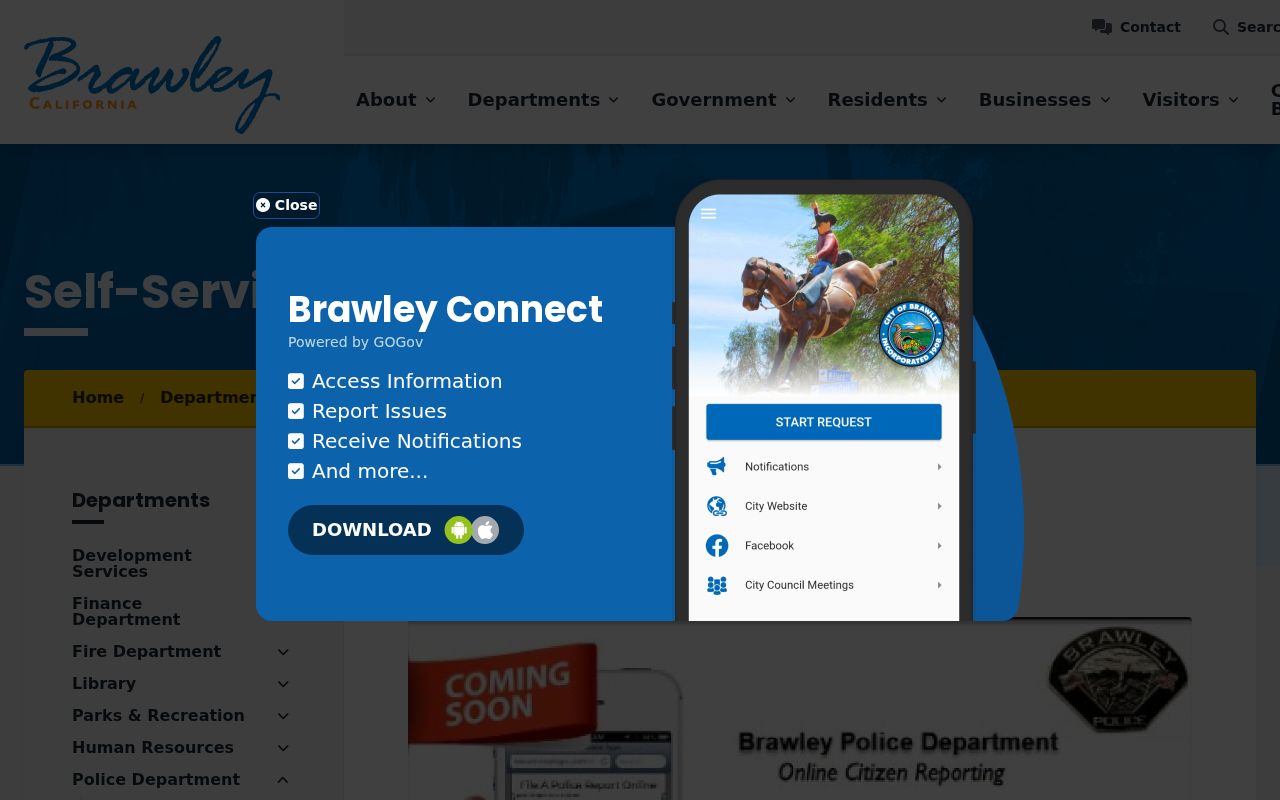
The Sheriff’s Records and Civil hours are listed as Monday through Friday 8 to 4:30. A crime-report request uses the Records division, ID, and a stated fee and processing period. These channels answer a defined incident question, not who lives on a block.
The Imperial County Sheriff jail page identifies the county custody channel serving Brawley.
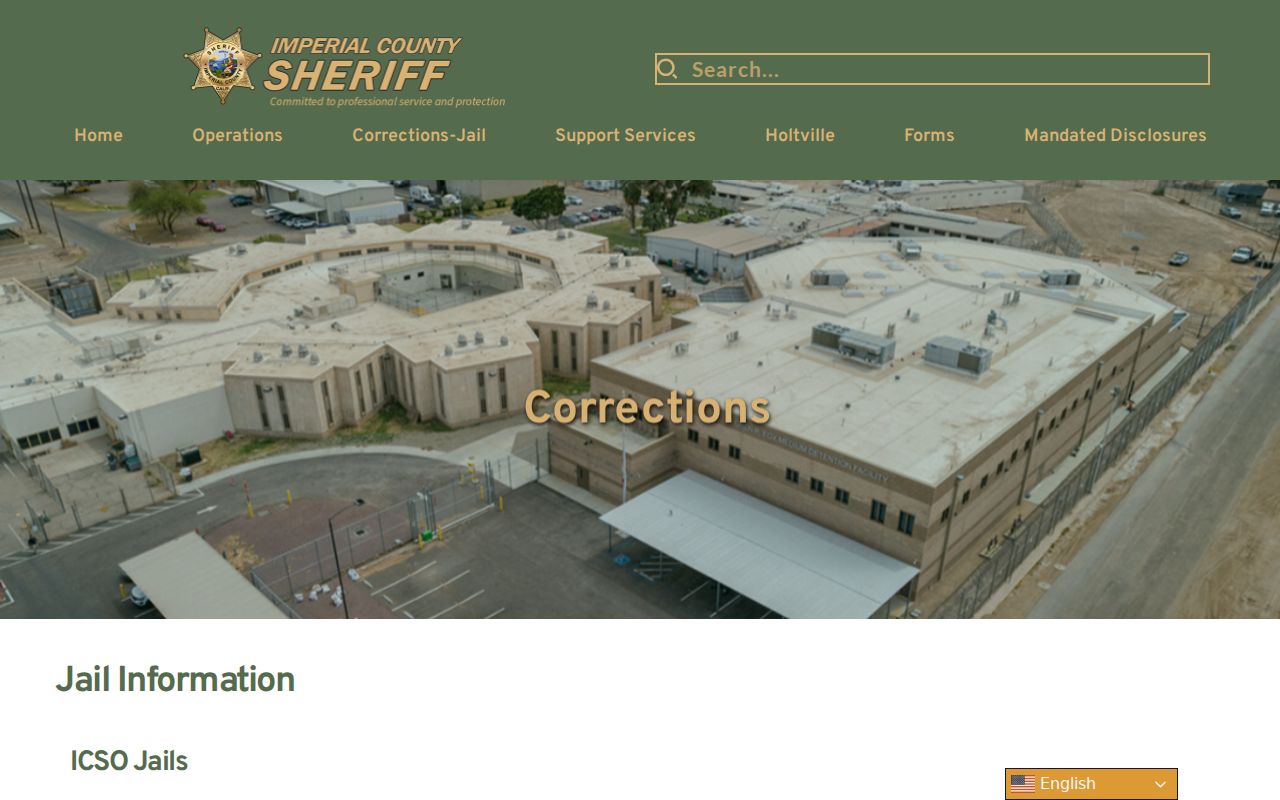
Note: No official public person-searchable Imperial County jail roster was verified in the research.
Megan’s Law and Brawley Privacy Limits
The California Megan’s Law public website has its own search modes, statutory exclusions, and anti-harassment warning. A map or result from that system should never be treated as a general neighbor list. It describes a specialized public registry under its governing rules. The result may omit people or locations that are protected by law.
The official California Megan’s Law website shows the specialized registry route and its warning context.
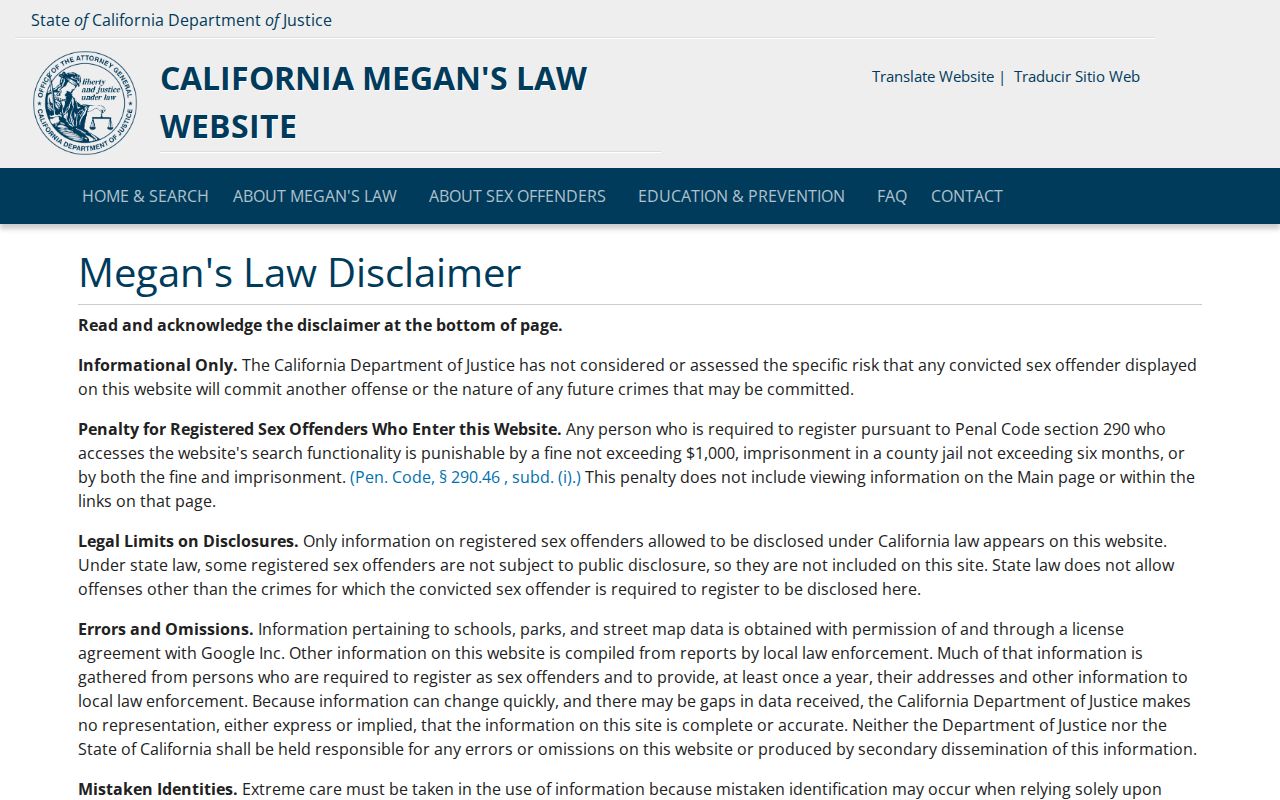
Use a specialized registry only for its stated public purpose. Do not combine it with other records to target a private person or expand a result beyond what the custodian publishes.
Community Contacts Without Member Rosters
The research did not verify a comprehensive Brawley HOA, neighborhood-association, congregational, block-watch, or resident-directory inventory. That absence matters. Public contact information for a civic group does not make its private membership list public. Use published officers, meeting agendas, or organization contact pages only.
| Public contact | What it may provide | What it does not provide |
|---|---|---|
| Brawley City Clerk | Public meetings, ordinances, city records, request routing | A private neighborhood roster |
| Brawley Police | Defined information-request channel | A block list or private caller data |
| Pioneers’ Museum | Historical archives and appointment research | A current member directory |
| Public boards and commissions | Published agendas, members, and civic contact points | Unpublished household information |
When a neighborhood group publishes a contact, treat it as a voluntary public affiliation. Do not infer that every nearby household belongs to the group.
Note: The research found no comprehensive Brawley HOA or neighborhood-association roster that could support a block directory.
California Privacy and Brawley Addresses
California’s Safe at Home program can substitute a mailing address and forward confidential mail for qualifying survivors and specified protected workers. A missing address may therefore be a safety feature. Voter data is also restricted, and motor-vehicle residence data is limited by the Driver’s Privacy Protection Act. A neighbor lookup must respect those gaps.
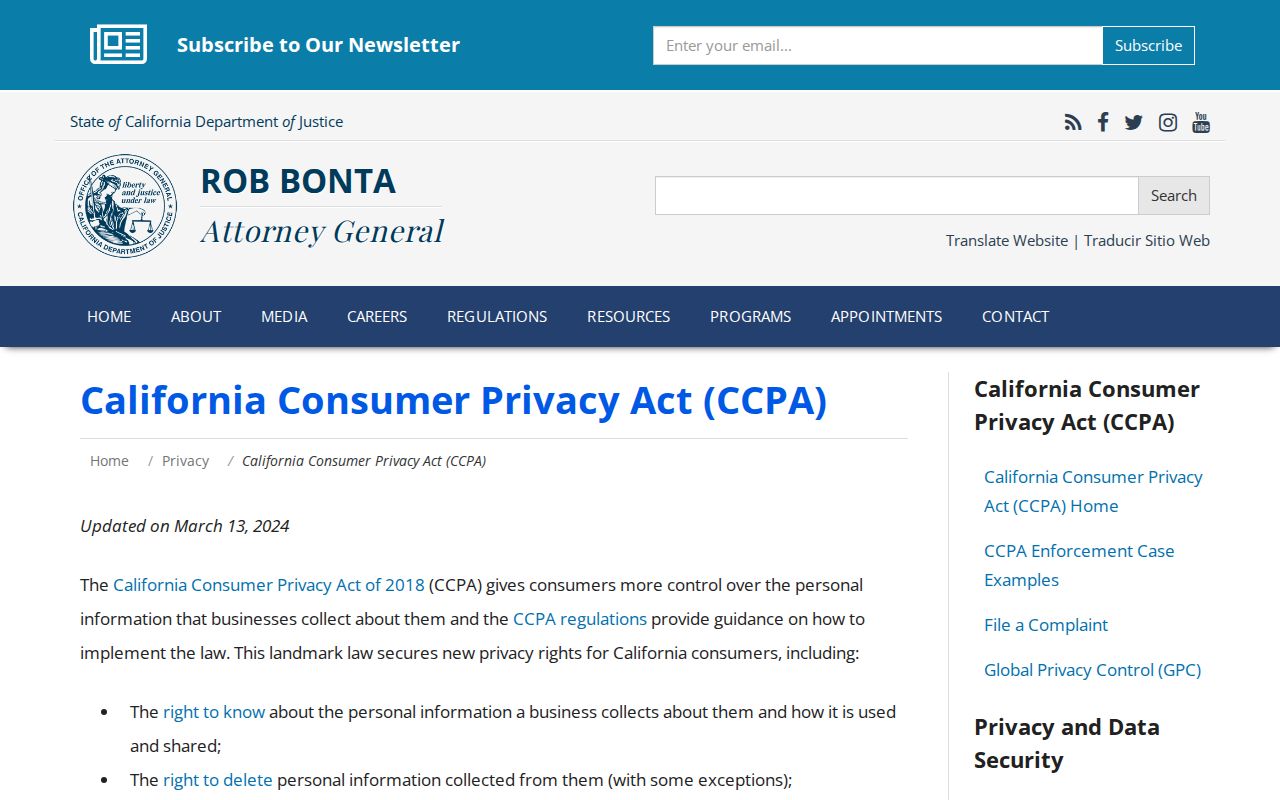
The California Privacy Protection Agency’s Delete Request and Opt-out Platform launched January 1, 2026, for requests to registered data brokers. It does not erase deeds, court files, assessment rolls, or other government records. The Attorney General’s consumer privacy guidance explains the separate rights and limits for covered data.
The California Attorney General privacy guidance provides the state consumer-privacy starting point for address and data questions.
Postal and Municipal Blocks in Brawley
ZIP 92227 covers Brawley and a surrounding postal area. The city line does not follow the postal line in every place. The December 2020 zoning map notes that land outside the municipal boundary is controlled by Imperial County. A block that looks continuous on a map can therefore cross city and county record systems.
For each neighbor parcel, note USPS mailing form, situs, APN, municipality, and county. Use city Planning or Building for city parcels and county planning or GIS for unincorporated land. A broad postal search cannot decide the proper custodian.
Official Rolls Versus Neighbor Tools
Commercial neighbor tools may combine public and commercial data, charge for reports, merge same-name people, or retain stale addresses. Official sources are narrower, but their keeper, date, and access rule are visible. Compare the categories before trusting a result.
| Source type | Strength | Weakness |
|---|---|---|
| Official parcel or deed record | Named custodian, land key, recorded date | Owner or transaction evidence is not occupancy |
| Official court or vital record | Defined event, case, or certified-copy process | Access, fee, and confidentiality limits |
| Historical directory or census | Time-specific household and address clues | Coverage gaps, spelling variation, historical context |
| Commercial neighbor tool | May combine many data categories | Unknown freshness, merging, price, and lawful-use limits |
A Brawley neighbors lookup should favor a small, dated, source-labeled record set over a large unverified profile.
Privacy Limits on a Brawley Neighbor Lookup
An adjacent parcel is not an adjacent household. The assessor may show an owner or mailing destination, while the recorder shows a title event and a permit shows a project participant. Private rosters, utility customers, protected voters, and sensitive police details stay outside a casual public block search.
Lawful use. Use Brawley neighbor research for parcel understanding, family history, preservation, civic information, and personal safety. Do not use it to stalk, harass, intimidate, or harm anyone.
If the goal becomes a full named-street chain, use the Brawley street directory workflow. If the goal is one person, narrow the question and use a resident lookup with independent confirmation.
Note: An adjacent parcel is not an adjacent household, and a public contact is not permission to expose a private roster.